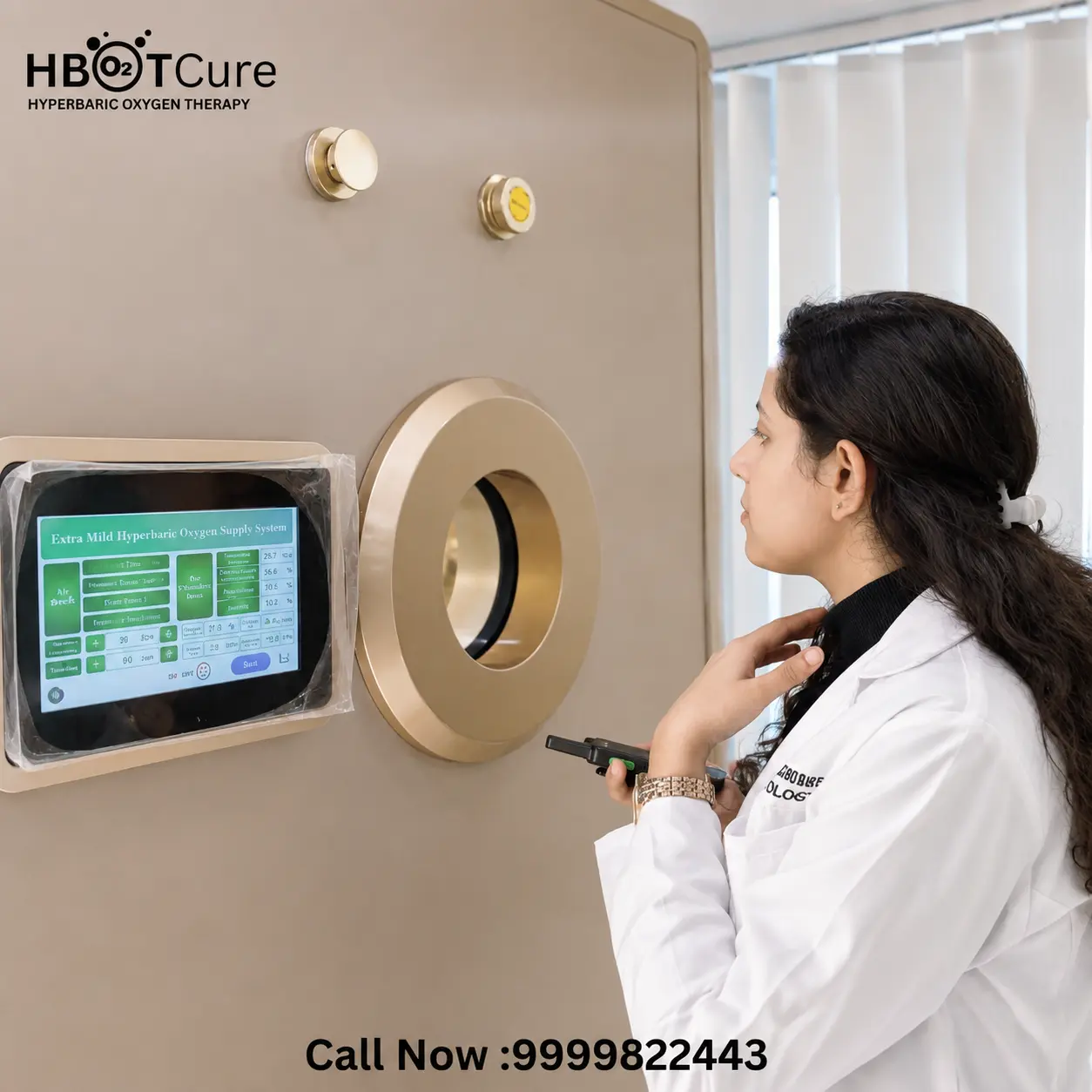
Get expert assessment at our Dermatrico clinic
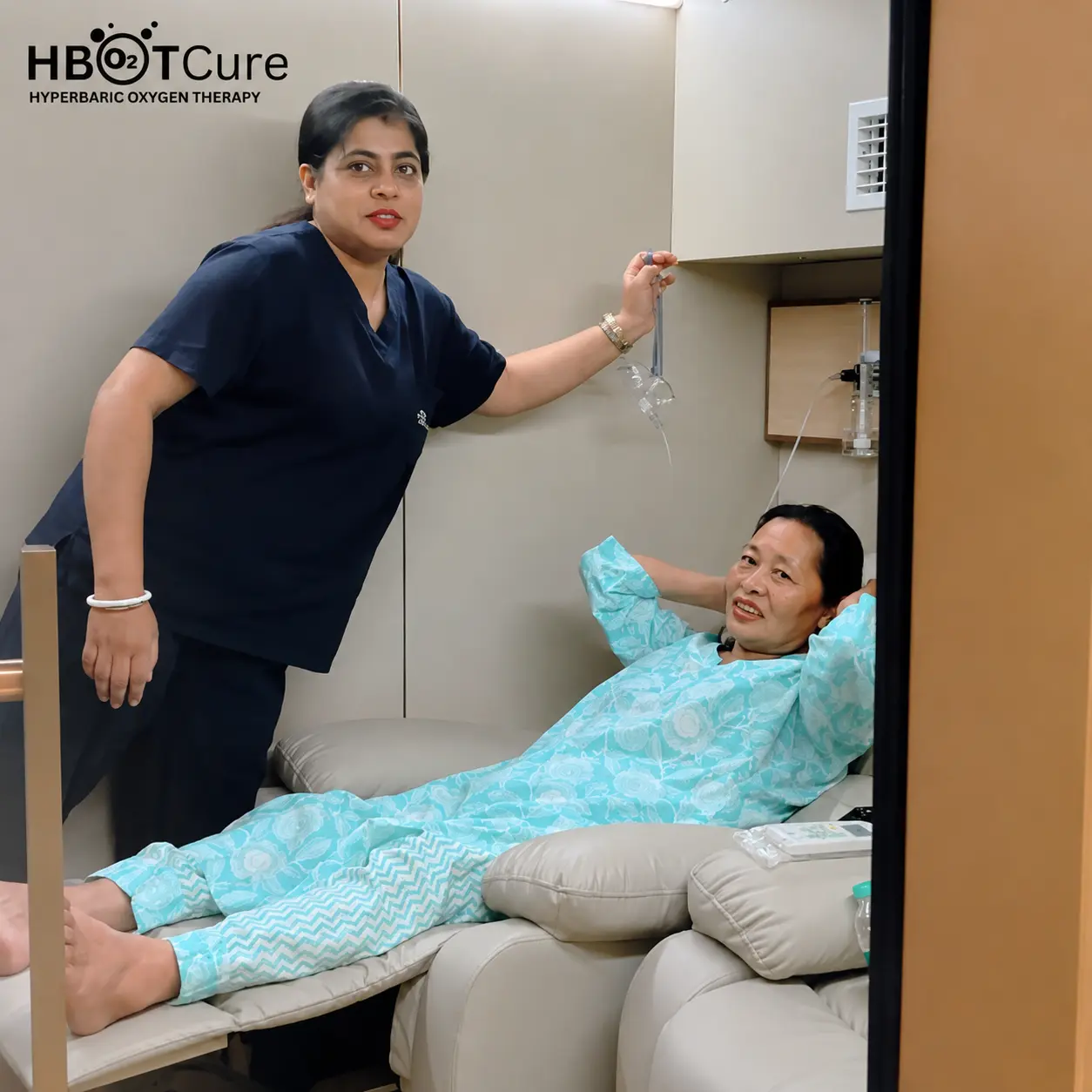
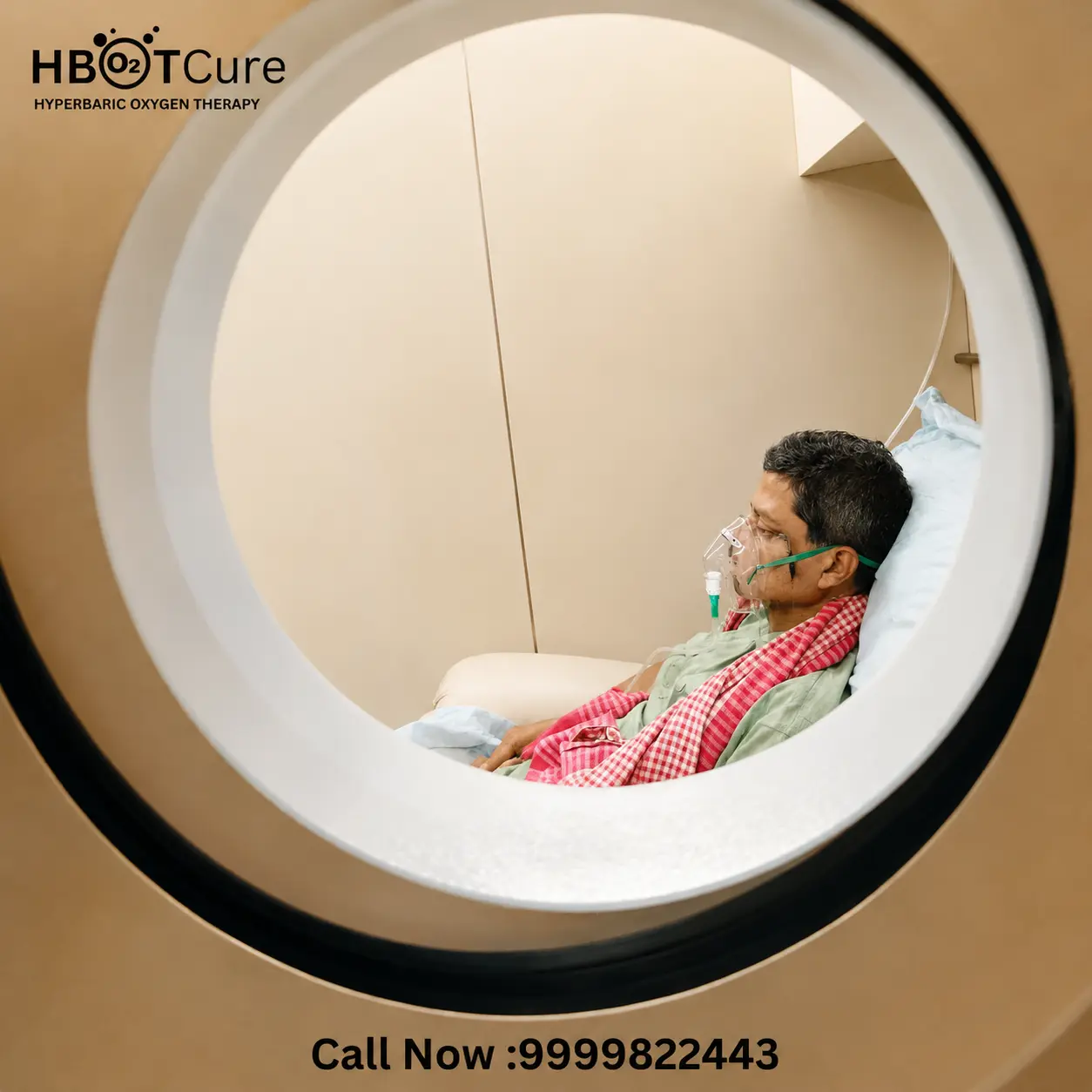
HBOT Cacner Session in Comfort
Doctor-Monitored HBOT Treatment
Relaxing HBOT Therapy Session

Enjoying Oxygen Therapy Experience
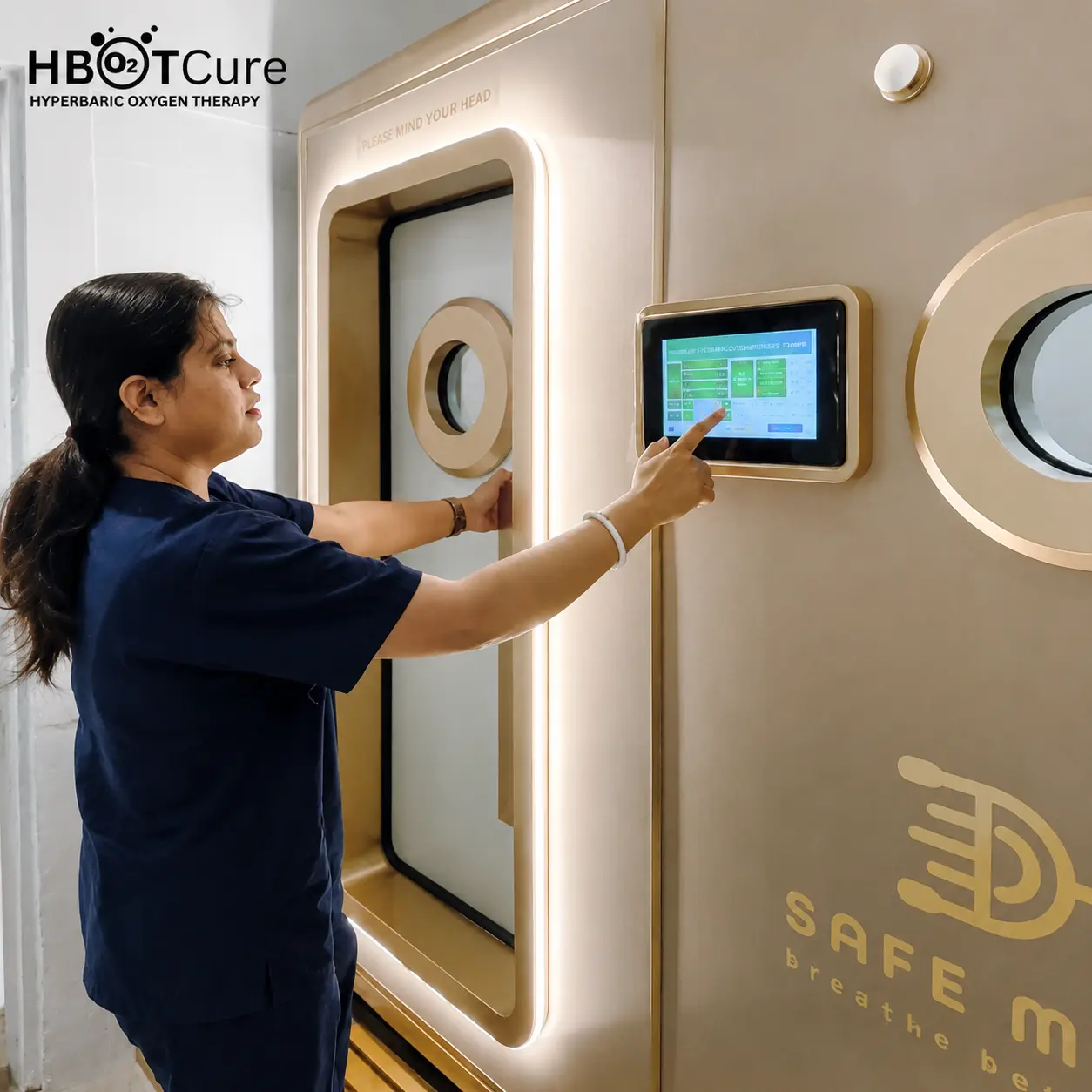
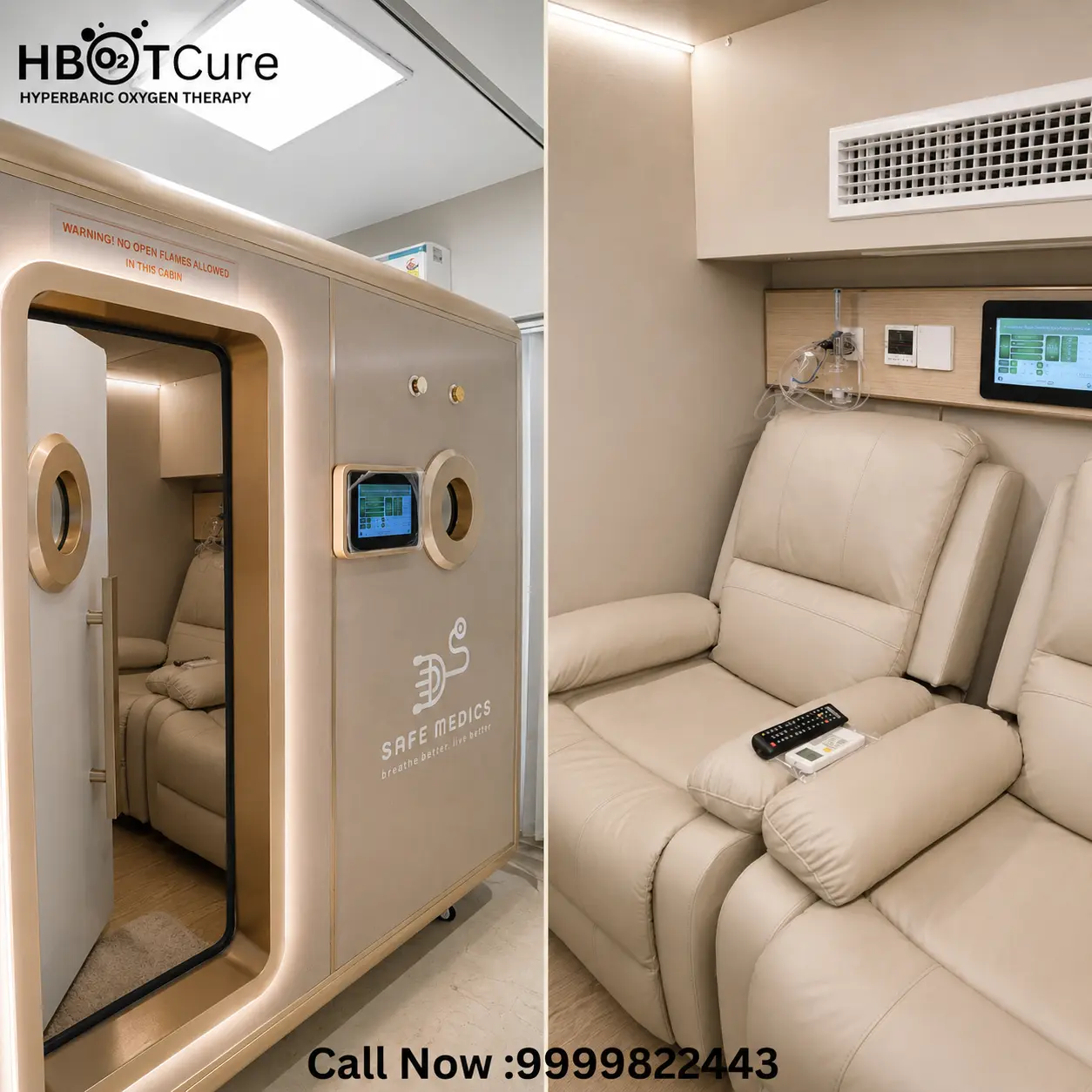
HBOT Cube Chamber Setup
Comfortable HBOT Therapy Chamber
Millions of people develop skin cancer each year. Surgery, radiation and chemotherapy have made a huge difference in survival but these treatments can also leave behind slow healing wounds, radiation burns, chronic skin damage and long-term side effects that regular treatment can't fix.
This is where the HBOT for Skin Cancer is truly making a difference.
Hyperbaric Oxygen Therapy (HBOT) provides additional oxygen to damaged tissues, helping the body's natural healing process work more effectively.
Hyperbaric Oxygen Therapy (HBOT) for skin cancer is a supportive treatment which the FDA has recognized that uses 100% pure oxygen in a pressurized chamber.
It's not an oncology treatment — but it's a very effective way to help ease the recovery from the damage caused by cancer treatment.
HBOT for skin cancer is a non-invasive program, in which the patient breathes in pure oxygen inside a pressurized chamber at the level of 2.0 – 3.0 ATA (atmosphere absolute), which corresponds to up to two and a half times the normal atmospheric pressure.
When under stress, oxygen will travel by other means and enter directly into the blood stream, reaching damaged tissue which the poor circulation cannot reach.
If compared with normal breathing, the HBOT can increase the delivery of oxygen to damaged tissue by 20 fold.
These biological processes work together to support recovery and help damaged tissues heal more effectively after cancer treatment.
Increase in collagen synthesis — accelerated wound closure and tissue rebuilding.
Bone marrow stem cell (BMSC) mobilization: Release of bone marrow stem cells from the bone marrow to repair damage.
The suppression of HIF-1α — the protein used by cancer cells to grow in low oxygen conditions.
Improved immune function — increased function of white blood cells and infection control.
These mechanisms combined provide a setting that allows for the healthy regeneration of the highly damaged tissue.
In order to appreciate the usefulness of HBOT, it is important to appreciate what is being solved.
Each of the three most common types of skin cancer (Basal Cell Carcinoma (BCC), Squamous Cell Carcinoma (SCC) and Melanoma) is treated with a therapy that injures healthy skin cells as well as the cancer ones.
Nearby blood vessels are destroyed and sometimes skin grafts are necessary which are challenging to integrate.
Over time, the blood vessels in the area become damaged, which may lead to chronic wounds, necrosis and fibrosis in the tissue, that may occur months or years after the treatment.
Chemotherapy reduces the body's defense system and its healing process.
The outcome: non-healing wounds, chronic ulcers, and prominent scarring, well after the cancer has left the body. HBOT for skin cancer directly addresses this gap.
Wounds post Mohs surgery or wide excision often will not heal with routine post-surgical care in tissue that has been pretreated with radiation or vascularized.
HBOT floods the wound bed with oxygen, promotes healthy tissue growth, and decreases the chances of infection, resulting in quicker wound closure and fewer re-surgical procedures.
Five BCC patients with complicated post-surgical wounds around the lower eyelid were reported in a case series in ScienceDirect, which was peer reviewed. At a 6-12 month follow-up, there was significant healing improvement in all 5; and no cancer recurrence.
This is one of the longest running and FDA approved uses of HBOT for skin cancer.
Radiation damages surrounding blood vessels permanently, thus creating a hypoxic wound environment that cannot be treated with the standard methods.
HBOT generates angiogenic factors that promote growth of new blood vessels, decreases fibrosis, and provides oxygen to cells deprived of it after the end of the radiation therapy.
In a multicenter Dutch study, 75% of patients with radiation tissue injury reported a significant decrease in pain and 68.8% experienced measurable healing improvement after HBOT.
After a tumor has been removed, the grafts must be rebuilt which requires oxygen.
In those critical first weeks, HBOT maintains viability of the transplanted tissue thus dramatically improving graft success rates particularly for those who have previously been radiated to the area.
Cancer cells grow faster and become 2-3 times more resistant to drugs when they are activated by hypoxia induced factor-1α (HIF-1α) in the tumor.
The radiation and chemotherapy effect on cancer cells is greatly enhanced by HBOT, because it inhibits this mechanism.
In 2009, an Oxford University study showed that raising oxygen levels in solid tumours would improve recovery and the effectiveness of chemotherapy drugs on cancer cells.
Melanoma grows in an environment that is hypoxic, immunosuppressive, immune suppressive and resistant to therapy.
In the study, published in the journal Frontiers in Oncology in 2025, it was discovered that HBOT can raise the level of reactive oxygen species within a tumor cell by 3-5 times and substantially decrease the extracellular matrix stiffness, making tumors much more receptive to the treatment agents.
Most importantly, European clinical trials which combined HBOT with Adoptive T-Cell Therapy showed that the infiltration of tumor cells by T-cells doubled – from 30% in the TDT alone arm
to 60% in the HBOT + TDT arm.
This is a significant clinical breakthrough for people with melanoma who are on cutting-edge immunotherapy treatments.
| Condition | Sessions | Duration | Frequency |
|---|---|---|---|
| Healthy | 18-42 | 1.8 hours | 2 times per week |
| Post-surgical wound healing | 20-40 | 90 mins | 5 days a week |
| Skin damage caused by radiation exposure | 30-40 | 90 mins | 5 days a week |
| Starting to wear regular clothes | 20-30 | 90 mins | 5 days a week |
| Chronic radiation ulcers | 40-60 | 90-120 mins | 5 days a week |
Patients usually see significant results in session 12-15.
Sessions are completely painless; the individual relaxes, breathes normally while the person sleeps and can watch TV or sleep. There is only slight ear pressure at pressurisation which is easily controlled by swallowing
There is clear clinical evidence.
In a safety study conducted in 2025 in Medicina (Italy), 45 solid tumor patients were analysed, who had undergone a median of 27 HBOT sessions:
No complications noted with HBOT use.
There was no significant association between HBOT and metastasis (p = 0.213).
There was no significant association between HBOT and mortality (p = 0.881).
did not experience a cancer recurrence after a median follow up of 783 days.
The Undersea and Hyperbaric Medical Society (UHMS) has officially denied that a history of malignancy is a contraindication to HBOT.
The absolute contraindications are an untreated pneumothorax (collapsed lung).
At Dermatrico, we utilise a medical-grade hyperbaric oxygen chamber capable of delivering treatment at 3 ATA, allowing therapy at three times the normal atmospheric pressure.
Higher pressure enables better oxygen absorption into body tissues, even in areas with poor circulation.
Targets therapeutic ranges of oxygen saturation required for effective medical HBOT treatment.

Safe and appropriate for severe and complicated medical conditions when supervised by medical professionals.

Complies with internationally recognised safety and treatment standards for Hyperbaric Oxygen Therapy.
Dermatrico utilises a square, room-like hyperbaric oxygen chamber designed to provide greater patient comfort, flexibility, and safety during medically supervised HBOT sessions.
 Significantly reduced risk of claustrophobia
 Sitting position provides greater comfort
 Multiple patients can receive therapy simultaneously
 Supports medical-grade high pressure (2.0–3.0 ATA)
 Suitable for doctor-supervised HBOT protocols
 Allows long-duration and repeated HBOT sessions
While HBOT for skin cancer will not take the place of your oncologist, for patients who suffer from the aftermath of radiation, non-healing wounds, problematic skin grafts, and even treatment defying metastasizing melanoma, it provides a reliable and clinically proven therapeutic option for much-needed recovery where traditional methods have fallen short.
If radiation injury has diminished your quality of life, your wounds will not heal, or you simply wish to optimize treatment, inquire about HBOT for skin cancer from your oncologist or dermatologist.
No. HBOT is not a curative therapy. It is a supportive therapy with a healing and recovery promoting effect which also potentiates the healing process and recovery from post-surgery and radiation trauma.
The answer is yes, for related conditions.
HBOT is FDA approved for radiation injury to skin and other tissues, non-healing wounds and complications of skin grafts and is thus pertinent to skin cancer patients.
2025 findings are promising.
In the context of contemporary immunotherapy and in particular the protocols of adoptive T-cell therapy, it should be noted that HBOT for skin cancer has been shown in clinical trials to facilitate T-cell tumor infiltration by a factor of two.
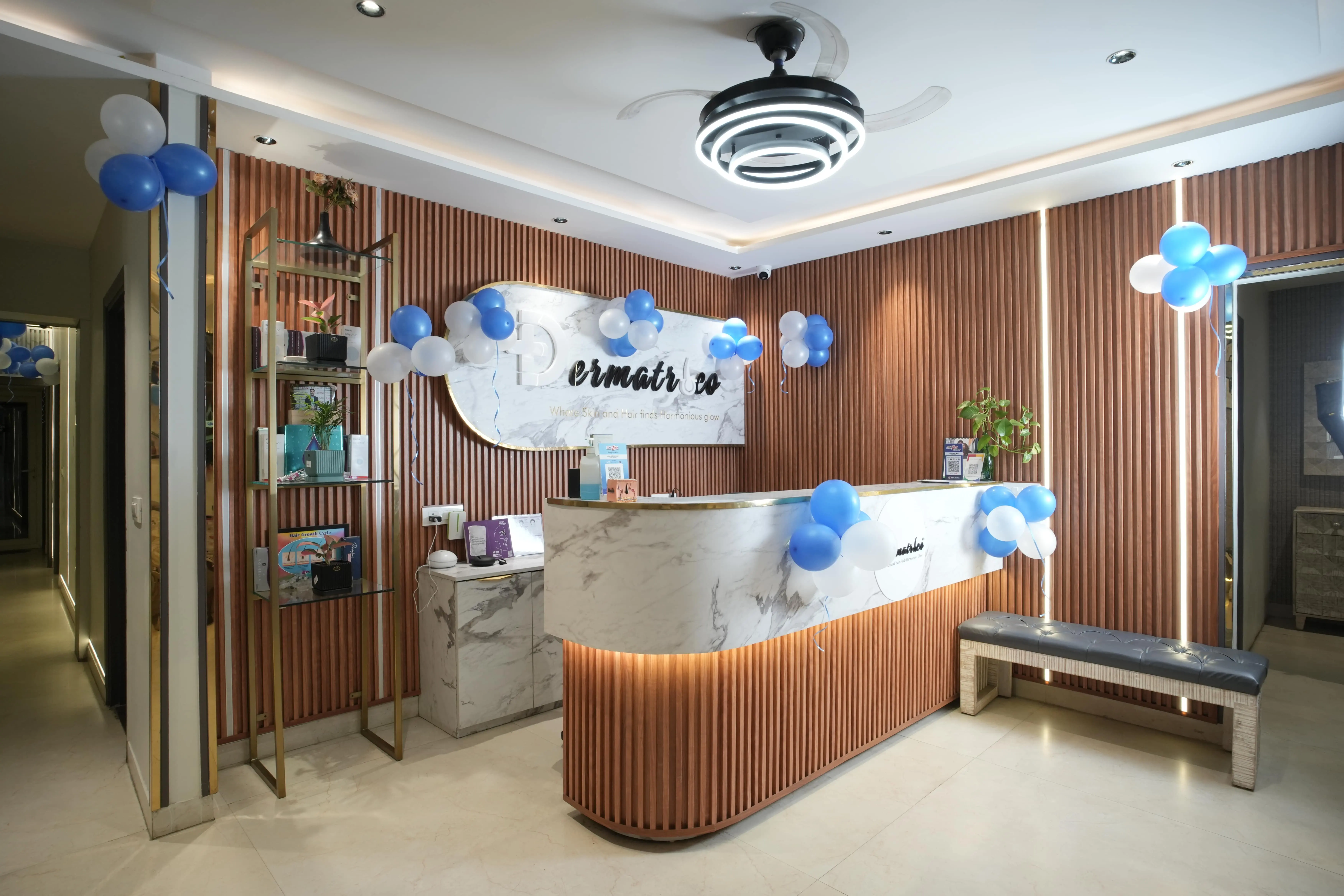
Dermatrico follows a strictly medical and ethical approach to Hyperbaric Oxygen Therapy (HBOT), focusing on safety, clinical accuracy, and measurable therapeutic outcomes.
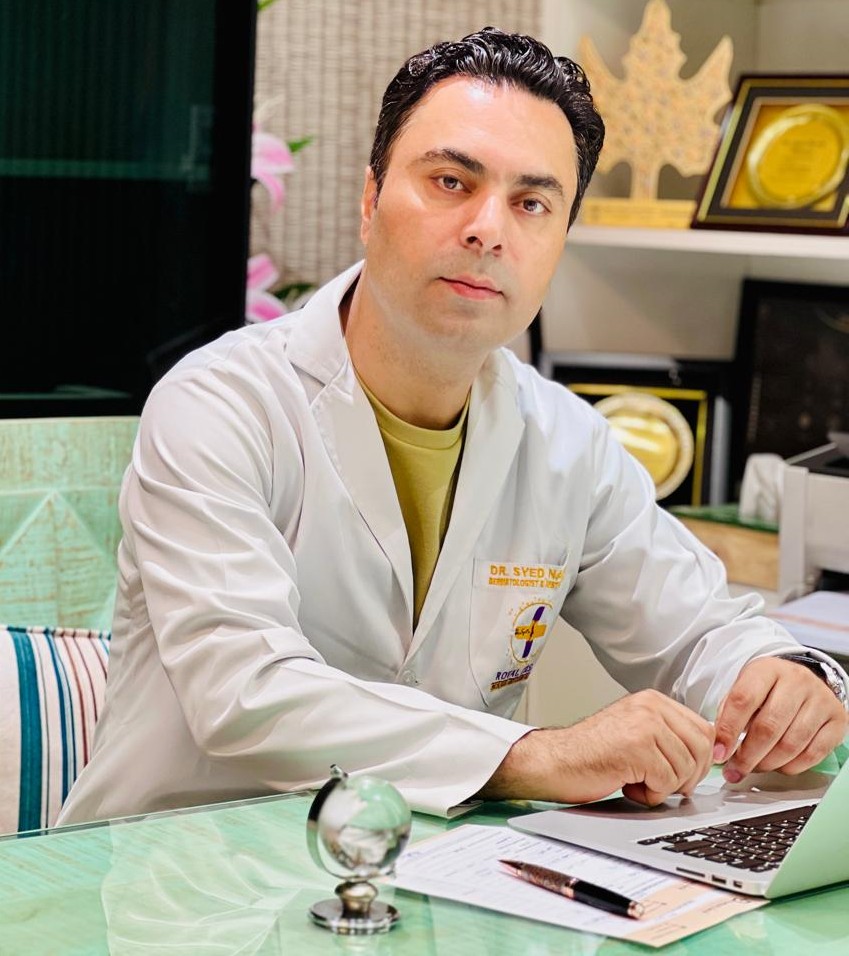
At Dermatrico, Hyperbaric Oxygen Therapy (HBOT) is administered under the supervision of qualified medical professionals to ensure patient safety, clinical accuracy, and optimal therapeutic outcomes.
📍 We're located in Malviya Nagar, Geetanjali Enclave, South Delhi — easily accessible by:
Step 1: Exit from Malviya Nagar Metro Station – Gate 1.
Step 2: Around 5 minutes via Rashid Rd, opp. Police Station.
Step 3: Dermatrico Clinic on main road near Saket – clearly visible.
Find us on Google Maps — search “Dermatrico Malviya Nagar”