
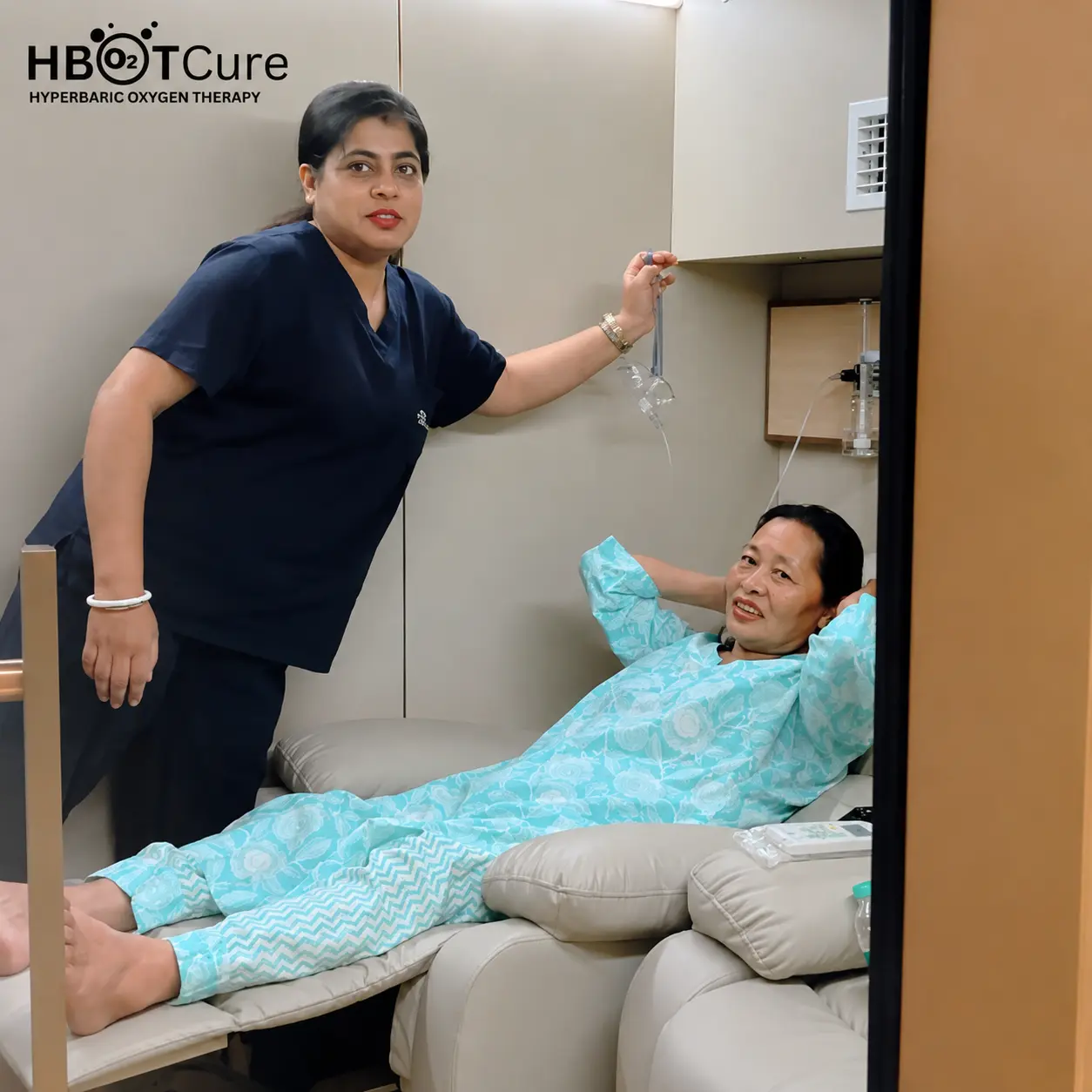
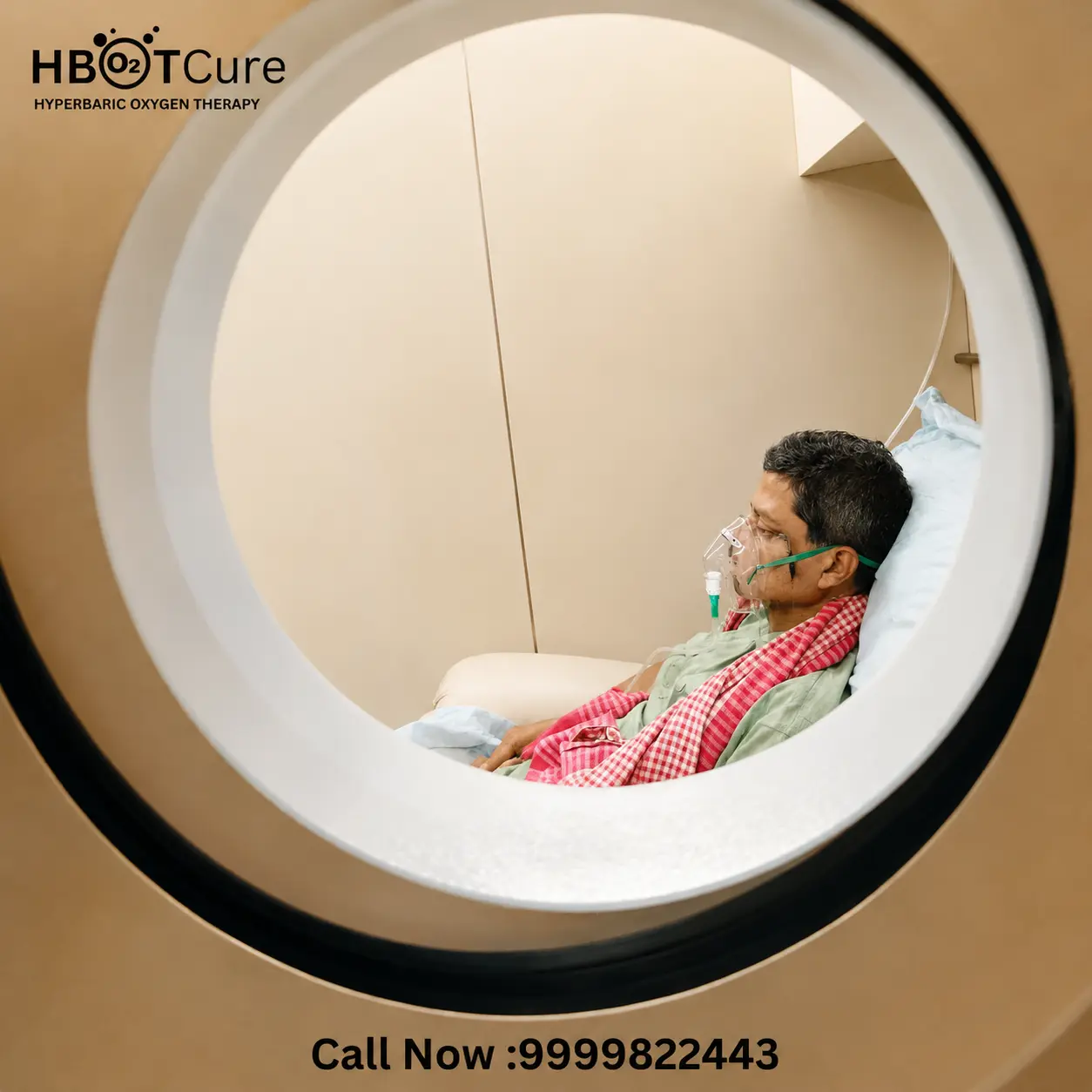

Get expert assessment at our Dermatrico clinic
HBOT Cacner Session in Comfort
Doctor-Monitored HBOT Treatment
Relaxing HBOT Therapy Session

Enjoying Oxygen Therapy Experience
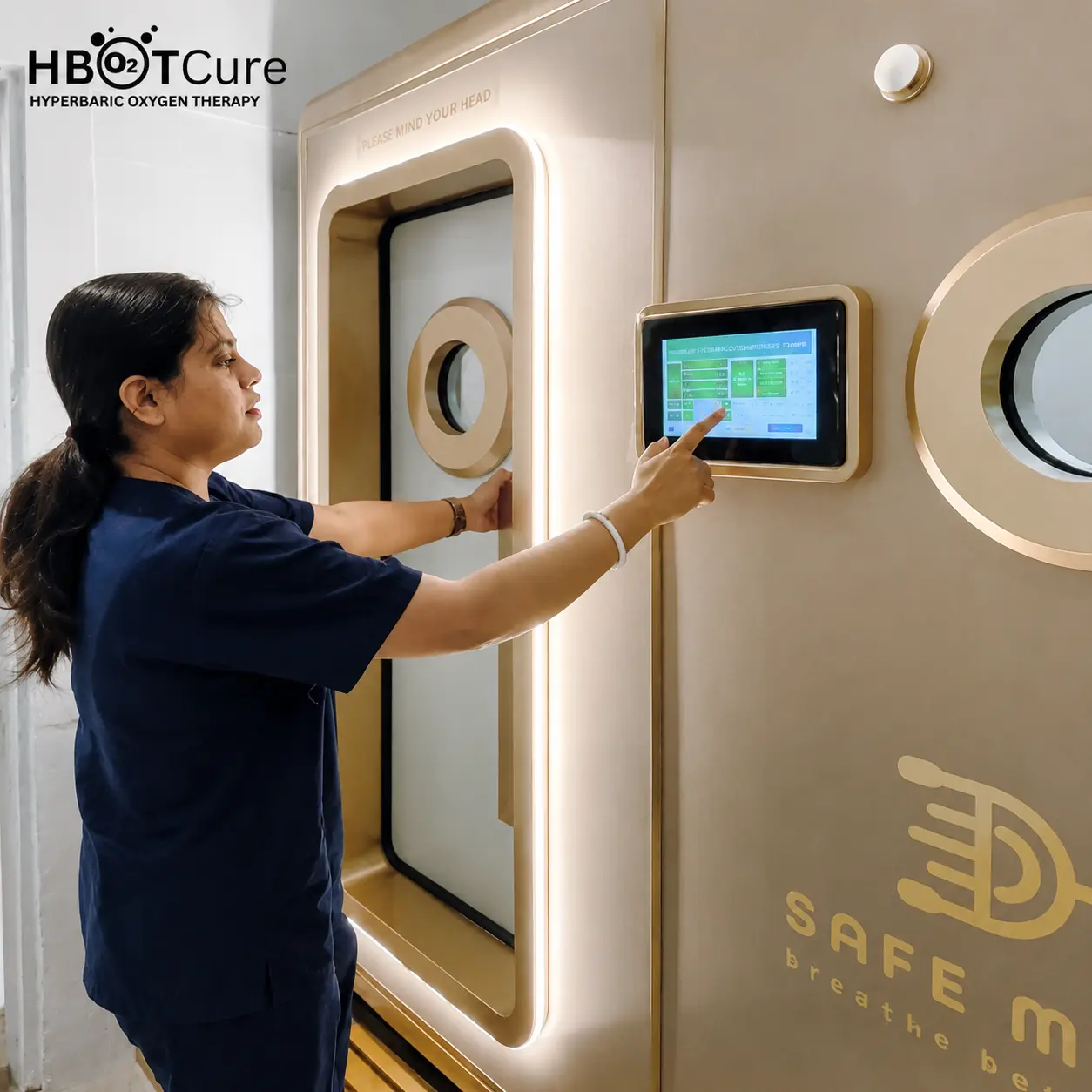
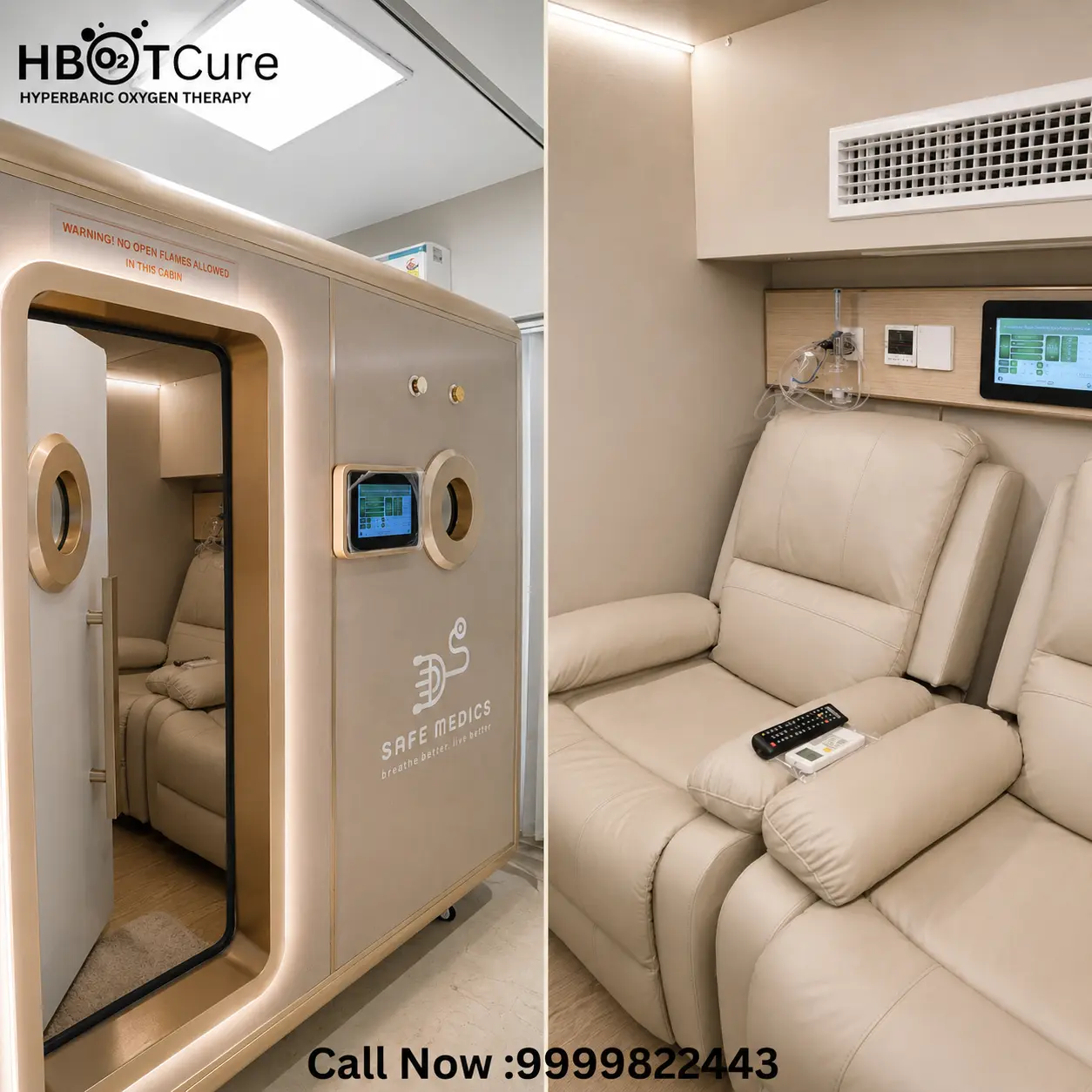
HBOT Cube Chamber Setup
Comfortable HBOT Therapy Chamber
The treatment of cancer saves lives but it leaves behind radiation burns, non healing wounds and chronic tissue damage that conventional medicine can't cure. That's where the cancer patient's HBOT Therapy for Cancer Patients is changing the recovery landscape in a clinically proven, evidence-based way.
Hyperbaric Oxygen Therapy, or HBOT therapy for cancer patients, is a FDA approved therapy where a patient is breathing 100% pure oxygen under pressure (2.0 to 3.0 ATA) in a pressurized chamber. Does not cure cancer. This is a highly effective supportive treatment that repairs damage done by the cancer treatment, and restores tissue health where traditional treatment would fail.
Understanding the importance of HBOT therapy for cancer patients requires an understanding of the problem that it addresses.
Nearly half of all cancer patients receive radiation therapy, which triggers a process called obliterative endarteritis, which is progressive and permanent scarring of the microscopic blood vessels that feed healthy tissue around the site of the radiation therapy. This damage appears months or even years after treatment has been finished in the form of:
Some of the most common and most debilitating side effects are soft tissue radionecrosis, osteoradionecrosis of the jaw, radiation cystitis, radiation proctitis, non-healing surgical wounds, and skin fibrosis.
Surgery in cancer disrupts blood vessels in the vicinity and results in the frequent failure of grafted skin. Chemotherapy reduces the immune system and slows down natural healing. In any of these cases, the tissue is deprived of oxygen, and, without oxygen, healing is biologically impossible. The oxygen deficit is directly attacked, and reversed, HBOT therapy for cancer patients.
Once a patient enters a hyperbaric chamber, the oxygen is absorbed directly into the blood plasma, without relying on the hemoglobin transport system. This enables oxygen to reach the areas of tissue which are chronically damaged and of poor circulation, and up to 20 times the amount of oxygen that can be delivered through normal breathing.
The main mechanisms that make HBOT Therapy for Cancer Patients so effective.
HBOT stimulates the formation of new blood vessels in oxygen-deprived, radiation damaged tissue — gradually creating an effective blood supply and allowing for long-term healing. This is the one mechanism that is most important in terms of HBOT's efficacy on radiation injury.
Fibroblasts can generate collagen (structural protein necessary for wound closure) when they have enough oxygen. HBOT increases the tissue oxygen in the area required for the production of collagen, meaning re-epithelialization (skin closure) is possible in wounds which have not responded to any standard treatment.
HBOT induces the release of stem cells from the bone marrow that go to injury sites and help regenerate tissues even after treatment.
Cancer cells upregulate HIF-1α in low oxygen, leading to a 2-3 fold increase in drug resistance and metastasis. For cancer, HBOT therapy down-regulates HIF-1α and thus eliminates this cancer survival mechanism, leaving cancer cells more susceptible to radiation and chemotherapy. HBOT also restores immune cell function in hypoxic tissue, lowering the infection risk in surgical wounds.
Treatment of cancer complications with HBOT has been most widely tested and proven in these conditions and cancer types:
SBC: Osteoradionecrosis: A 2025 systematic review in Radiation Oncology (Springer Nature) has been published, confirming that HBOT induces neovascularization, bone regeneration, and collagen production in patients who have head and neck cancer with late tissue toxicity from radiation. HBOT is a common part of osteoradionecrosis treatment in all international evidence-based guidelines.
A 2025 review on ScienceDirect (Gynecologic Oncology) reported that 64-99% of cancer patients treated with radiation to the pelvis were responsive to HBOT for radiation cystitis; and 50-100% were responsive to HBOT for wound healing, necrosis and fistula.
In a report published in the Journal of American Medical Association (JAMA) Oncology, the HONEY trial concluded that HBOT also decreased fibrosis and alleviated pain in breast cancer survivors with delayed radiation injury — while showing no increased risk of recurrence or progression in the patients undergoing HBOT.
European Consensus Conference on Hyperbaric Medicine listed 22 clinical indications with 6 of them being related to radiation injury, which is the highest number of indications in the whole body of evidence presented for applying HBOT.
The most important concern for any HBOT Therapy for Cancer Patients context: does oxygen therapy make cancer grow faster?
The answer, after decades of evidence that's agreed upon, is no.
The possibility of increased metastasis was suggested in a case report from 1966 (25 patients but no control group), and this fear persisted for years.
Later controlled tests completely refuted it. Of 15 clinical reports (1966-2001) 10 reported neutral or beneficial results on survival and metastasis.
A 2024 meta-analysis showed that HBOT extended length of survival for patients vs control group and also increased survival for patients receiving chemotherapy or radiation therapy as well.
As part of a study published in Medicina (MDPI) in 2025, 45 patients were examined who were undergoing HBOT for a median of 27 sessions – all of which were safe.
No complications were seen related to the HBOT.
There was no significant association between treatment with HBOT sessions and metastasis (p = 0.213).
There were no significant associations between HBOT and mortality (p = 0.881).
Ninety-one percent were alive at 783 months (median 59.5) with no cancer recurrence.
Conclusions: HBOT Therapy for Cancer Patients is safe, effective and does not appear to cause tumor progression or metastasis in cancer patients.
The typical protocol for radiation treatment is 30-40 treatments (90-120 minute each) performed 5 days per week. More extended courses are required for bone injuries such as osteoradionecrosis, while healing of post surgical wounds may need only 20 – 30 sessions.
The typical protocol for radiation treatment is 30-40 treatments (90-120 minute each) performed 5 days per week.
More extended courses are required for bone injuries such as osteoradionecrosis, while healing of post surgical wounds may need only 20 – 30 sessions.
Patients start to see measurable improvement starting from sessions 12 to 15.
Sessions are completely painless; you breathe normally, relax and watch TV or sleep during.
At Dermatrico, we utilise a medical-grade hyperbaric oxygen chamber capable of delivering treatment at 3 ATA, allowing therapy at three times the normal atmospheric pressure.

Higher pressure enables better oxygen absorption into body tissues, even in areas with poor circulation.
Targets therapeutic ranges of oxygen saturation required for effective medical HBOT treatment.

Safe and appropriate for severe and complicated medical conditions when supervised by medical professionals.

Complies with internationally recognised safety and treatment standards for Hyperbaric Oxygen Therapy.
Dermatrico utilises a square, room-like hyperbaric oxygen chamber designed to provide greater patient comfort, flexibility, and safety during medically supervised HBOT sessions.
 Significantly reduced risk of claustrophobia
 Sitting position provides greater comfort
 Multiple patients can receive therapy simultaneously
 Supports medical-grade high pressure (2.0–3.0 ATA)
 Suitable for doctor-supervised HBOT protocols
 Allows long-duration and repeated HBOT sessions
In a 2025 Medicina study, 45 patients with solid tumors were analyzed and no complications arose from HBOT treatments, and there was no connection between metastasis or mortality. A formal statement by the UHMS that malignancy is not contraindicated.
No. HBOT therapy should not be used as a cancer treatment. It helps to repair the damage done by cancer treatments and can help make them more effective, but it is not a substitute for cancer treatments.
In many cases yes. HBOT is FDA-approved for radiation tissue damage and non-healing wounds, which cancer patients are susceptible to. These are medically necessary indications that are accepted by Medicare and major insurance companies. Check with your provider for coverage before beginning.
Some chemotherapy medications may need to be held until the oncologist clears the patient for HBOT, such as doxorubicin, cisplatin and bleomycin. Always tell your hyperbaric center of any medications you are taking.

Dermatrico follows a strictly medical and ethical approach to Hyperbaric Oxygen Therapy (HBOT), focusing on safety, clinical accuracy, and measurable therapeutic outcomes.
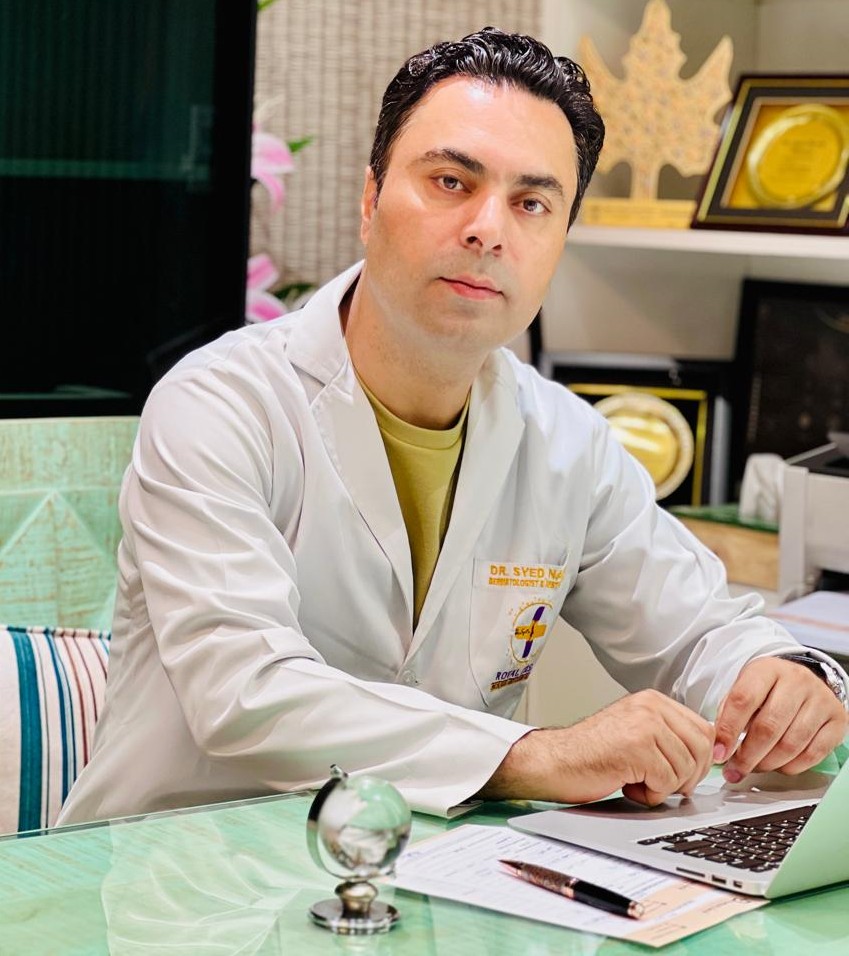
At Dermatrico, Hyperbaric Oxygen Therapy (HBOT) is administered under the supervision of qualified medical professionals to ensure patient safety, clinical accuracy, and optimal therapeutic outcomes.
📍 We're located in Malviya Nagar, Geetanjali Enclave, South Delhi — easily accessible by:
Step 1: Exit from Malviya Nagar Metro Station – Gate 1.
Step 2: Around 5 minutes via Rashid Rd, opp. Police Station.
Step 3: Dermatrico Clinic on main road near Saket – clearly visible.
Find us on Google Maps — search “Dermatrico Malviya Nagar”